The author affords each segment of this waterway its own unique rich visual documentation. This forms a backdrop to compelling river stories, told in a variety of perspectives and voices. Included are Native American legends and lore, the cryptic messages of ancient rock art, accounts of white explorers and immigrants, and Layman’s own insightful observations. In his research, Layman forged a special, co-operative relationship with the indigenous peoples who still call the Columbia River valley their home. The artful blending of geological, cultural, and historical story telling in Native River unifies the reader's experience of the untamed Columbia.
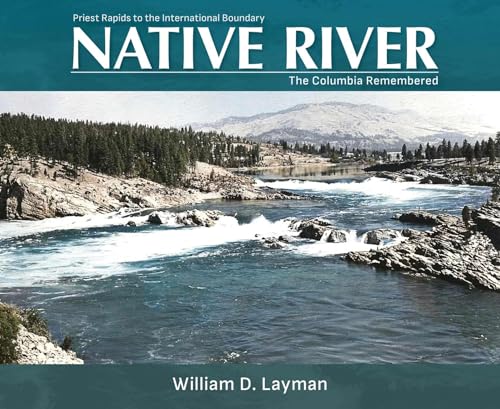
Native River: The Columbia Remembered
📄 Viewing lite version
Full site ›
Book Details
Author(s)William D. Layman
PublisherWashington State Univ Pr
ISBN / ASIN0874222575
ISBN-139780874222579
AvailabilityUsually ships in 24 hours
Sales Rank1,290,940
CategoryNature
MarketplaceUnited States 🇺🇸
Description ▲
In images and narratives Native River recreates the Mid-Columbia untamed—the river as it once was, before the building of seven major dams. Featuring a wealth of illustrations, maps, and photographs, many never before published, this finely crafted book focuses on the 350-mile reach of the middle Columbia River—from Priest Rapids in south-central Washington to the U.S.-Canadian border. Layman gives us the unique opportunity of picturing the great river, and man’s relationship to it, prior to the building of seven major dams that now harness the Columbia’s power and obscure its former features under reservoirs.
More Books in Nature
The Quest For The Eastern Cougar: Extinction or Surviv…
View
A Spring without Bees: How Colony Collapse Disorder Ha…
View
Inferno (Bill and Alice Wright Photography)
View
Protecting New Jersey's Environment: From Cancer Alley…
View
Finding the Line: ordinary encounters in nature's mirr…
View
North Sea Climate: Based on observations from ships an…
View
Parrots: Lovebird, Parakeet, Kea, Monk Parakeet, Amazo…
View
The Politics and Economics of Park Management
View
Ignoring the Apocalypse: Why Planning to Prevent Envir…
View