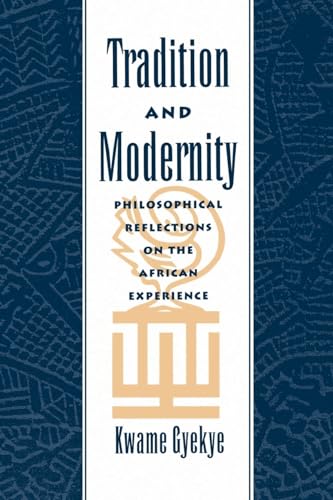
In this important and pioneering book, Kwame Gyekye examines postcolonial African experience from a viewpoint receptive to aspects of both traditional African cultures and Western political and moral theory. African people, in their attempt to evolve ways of life compatible with an increasingly globalized world cultural, intellectual, and political scene, face a number of unique societal challenges, some stemming, Gyekye argues, from traditional African values and practices, others representing the legacy of European colonialism. Enlisting Western political and philosophic concepts to clear, comparative advantage, Gyekye addresses a wide range of concrete problems afflicting postcolonial African states, such as ethnicity and nation- building, the relationship of tradition to modernity, the relationship of the nation-state to community, the nature of political authority and political legitimation, political corruption, and the threat to traditional moral and social values, practices, and institutions in the wake of rapid social change.
With striking flexibility and rare insight, Gyekye assesses the value of both traditional and non-African cultural components for the future of African societies and proposes alternative social and political models capable of forging a modernity appropriate for Africa. The resulting book, Traditionand Modernity: Philosophical Reflections on the African Experience, is a brilliant new contribution to postcolonial theory and will be of deep interest to scholars of political and moral philosophy, cultural studies, and African philosophy and politics, and to anyone else concerned with the efforts of non-Western societies to properly modernize.