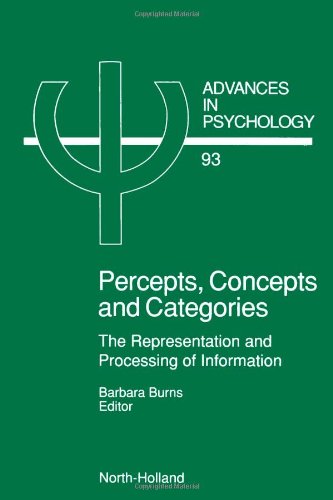


Percepts, Concepts and Categories: The Representation and Processing of Information (Advances in Psychology)
No reviews yet.
The distinction between structure and process within the study of percepts, concepts and categories is considered in depth in this volume, with penetrating commentaries by fellow authors concluding each chapter.
This interesting format achieves a broad coverage of the various aspects and implications of the structure-process distinction. It affords a salient indication of the diversity of positions as to the description and utility of distinguishing structures and processors. At the same time, it reveals that researchers specializing in areas of study ranging from simple structure and process involved in perceptual organization and texture to complex structure and process associated with reading graphs and chess expertise, do utilize such a distinction in similar ways.
The analysis is organized into four major parts within the book: Early Visual Representation and Processing; Percepts, Concepts, Categories and Development; Categories, Concepts and Learning; and Higher-Order Representation and Processing.


