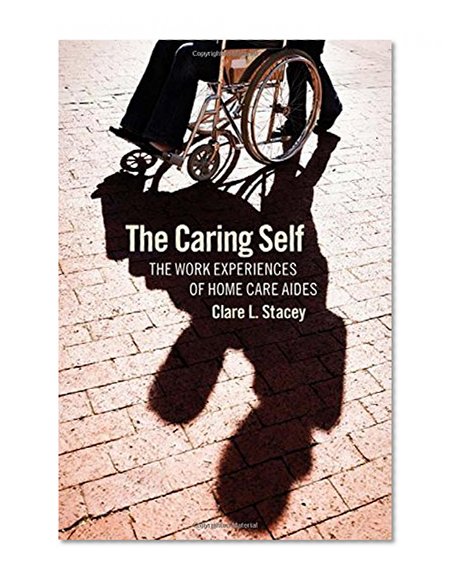


The Caring Self: The Work Experiences of Home Care Aides (The Culture and Politics of Health Care Work)
Book Details
Description
According to the Bureau of Labor Statistics, there were approximately 1.7 million home health aides and personal and home care aides in the United States as of 2008. These home care aides are rapidly becoming the backbone of America's system of long-term care, and their numbers continue to grow. Often referred to as frontline care providers or direct care workers, home care aides disproportionately women of color bathe, feed, and offer companionship to the elderly and disabled in the context of the home. In The Caring Self, Clare L. Stacey draws on observations of and interviews with aides working in Ohio and California to explore the physical and emotional labor associated with the care of others.
Aides experience material hardships most work for minimum wage, and the services they provide are denigrated as unskilled labor and find themselves negotiating social norms and affective rules associated with both family and work. This has negative implications for workers who struggle to establish clear limits on their emotional labor in the intimate space of the home. Aides often find themselves giving more, staying longer, even paying out of pocket for patient medications or incidentals; in other words, they feel emotional obligations expected more often of family members than of employees. However, there are also positive outcomes: some aides form meaningful ties to elderly and disabled patients. This sense of connection allows them to establish a sense of dignity and social worth in a socially devalued job. The case of home care allows us to see the ways in which emotional labor can simultaneously have deleterious and empowering consequences for workers.
