We use cookies to run the site and, with your permission, to measure how it is used. You can accept all of them or deny the ones that are not needed. Read the cookie policy.
⭐ Ratings & Reviews
No reviews yet — be the first!
No reviews yet.
📖 Description
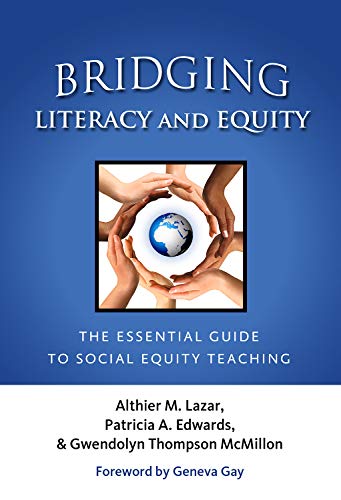
''The authors place literacy and equity within the context of each other, and in so doing resolve a common dilemma of many classroom teachers. . . . Individuals already involved in the classroom and others preparing to become teachers who are genuinely committed to high quality education for all children will find Bridging Literacy and Equity a welcomed and empowering call to action.'' --From the Foreword by Geneva Gay
Bridging Literacy and Equity synthesizes the essential research and practice of social equity literacy teaching in one succinct, user-friendly volume. Chapters identify six key dimensions of social equity teaching that can help teachers see their students' potential and create conditions that will support their literacy development. Serving students well depends on understanding relationships between race, class, culture, and literacy; the complexity and significance of culture; and the culturally situated nature of literacy. It also requires knowledge of culturally responsive practices, such as collaborating with and learning from caregivers, using cultural referents, enacting critical and transformative literacy practices, and seeing the capacities of English Language Learners and children who speak African American Language.