No reviews yet.
 Wedding of the Waters: The Erie Canal and the Making of a G…
 The Forgotten Man: A New History of the Great Depression
 An Empire of Wealth: The Epic History of American Economic …
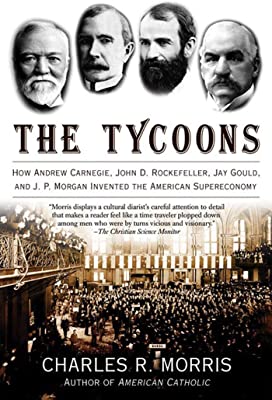 The Tycoons: How Andrew Carnegie, John D. Rockefeller, Jay …
 A Storm of Witchcraft: The Salem Trials and the American Ex…
 The Killer Angels: The Classic Novel of the Civil War (Civi…
 The Jerry Rescue: The Fugitive Slave Law, Northern Rights, …
 Prentice Hall Reader, The (9th Edition)
 The Erie Canal
 The Shoemaker and the Tea Party: Memory and the American Re…