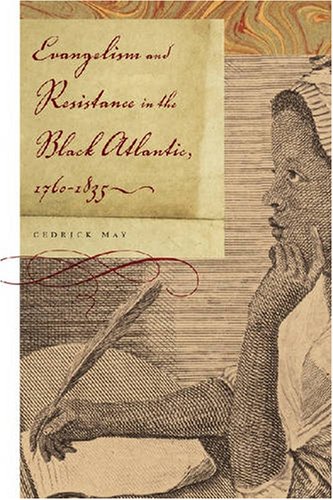


Evangelism and Resistance in the Black Atlantic, 1760-1835
Book Details
Description
Religion gave these writers agency and credibility, says May, and they appropriated the language of Christianity to establish a common ground on which to speak about social and political rights. In the process, these writers spread the principles that enabled slaves and free blacks to form communities, a fundamental step in resisting oppression. Moreover, says May, this institution building was overtly political, leading to a liberal shift in mainstream Christianity and secular politics as black churches and the organizations they launched became central to local communities and increasingly influenced public welfare and policy.
This important new study restores a sense of the complex challenges faced by early black intellectuals as they sought a path to freedom through Christianity.
