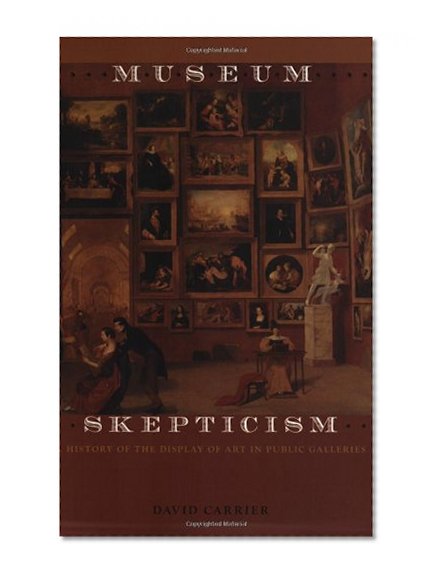


Museum Skepticism: A History of the Display of Art in Public Galleries
No reviews yet.
Carrier illuminates the public role of art museums by describing the ways they influence how art is seen: through their architecture, their collections, the narratives they offer museum visitors. He insists that an understanding of the art museum must take into account the roles of collectors, curators, and museum architects. Toward that end, he offers a series of case studies, showing how particular museums and their collections evolved. Among those who figure prominently are Baron Dominique Vivant Denon, the first director of the Louvre; Bernard Berenson, whose connoisseurship helped Isabella Stewart Gardner found her museum in Boston; Ernest Fenollosa, who assembled much of the Asian art collection now in the Museum of Fine Arts, Boston; Albert Barnes, the distinguished collector of modernist painting; and Richard Meier, architect of the J. Paul Getty Center in Los Angeles. Carrier’s learned consideration of what the art museum is and has been provides the basis for understanding the radical transformation of its public role now under way.