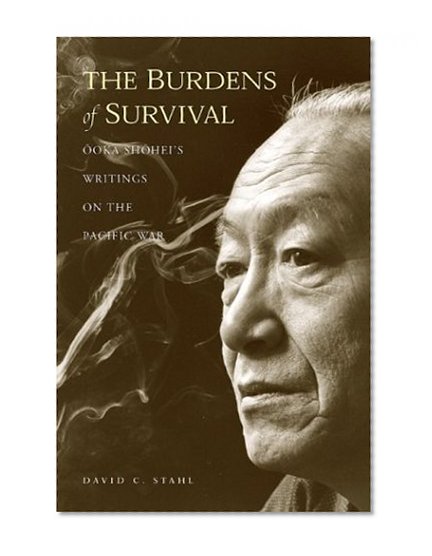


The Burdens of Survival: Ooka Shohei's Writings on the Pacific War
David C. Stahl examines Ooka's battlefield memoirs, including the established war classic Fires on the Plain (1952), in terms of extreme experience, survivor guilt, bearing witness, and the "inability to mourn." Writing enabled Ooka to give cathartic expression to his haunting battlefield experience and made it possible for him to move from blame-shifting to empathy and mourning. The lengthy, exhaustively researched historical work The Battle for Leyte Island (1967-1969) faithfully details the personal and collective experience of battle, depravation, and loss, and clarifies who and what was ultimately responsible for defeat. Toward the end of this work and Return to Mindoro Island (1969), Ooka draws attention to the outstanding obligations owed by his countrymen to the war dead and suggests how they can be fulfilled by public confrontation, learning the lessons of defeat, and using them to rectify lingering social and political evils. After a quarter century of sustained literary struggle, the author argues, Ooka came to terms with and atoned for his own battlefield conduct and exposed the problematic legacies of war while providing an inspiring microcosmic means of collectively mastering Japan's dark and troubled past.
This important multidisciplinary study will be of interest to students of modern Japanese literature and those concerned with Japanese perspectives on the Pacific War, trauma studies, the application of psychological theory to literary analysis, and military history.
