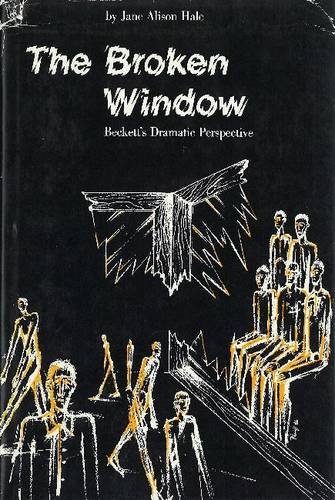


The Broken Window
Book Details
Author(s)
Jane Alison Hale
Publisher
Purdue University Press
ISBN / ASIN
0911198822
ISBN-13
9780911198829
Availability
Usually ships in 1 to 2 months
Sales Rank
#8,105,784
Marketplace
United States 🇺🇸
Description
The author defines and analyzes the new type of theatrical perspective invented by Samuel Beckett. She begins with an overview of the changes of the definition of century knowledge, then discusses the concepts of time, space, and movement which underlie Beckett's notion and use of perspective in the theatre. The Broken Window shows how Beckett translates a number of twentieth-century esthetic and philosophical concerns into specific dramatic techniques and traces their evolution through close textual analyses of six plays.
