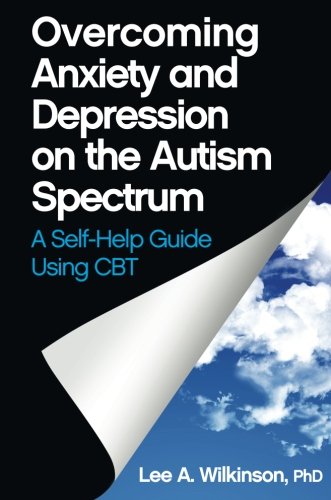


Overcoming Anxiety and Depression on the Autism Spectrum: A Self-help Guide Using CBT
Book Details
Author(s)Lee A. Wilkinson
PublisherJessica Kingsley Publishers
ISBN / ASIN1849059276
ISBN-139781849059275
AvailabilityUsually ships in 24 hours
Sales Rank422,162
CategoryPaperback
MarketplaceUnited States 🇺🇸
Description
Many adults on the autism spectrum experience isolation,interpersonal difficulties, anxiety, depressed mood, and coping problems. Award-winning author Dr. Lee A. Wilkinson's new book presents strategies derived from cognitive-behavioral therapy (CBT), adapted specifically for adults on the higher end of the autism spectrum, to help them overcome anxiety and depression, and improve their psychological well-being. It is written for individuals in the early and middle years of adulthood, with and without a formal diagnosis, who share features associated with autism spectrum conditions. It is also appropriate for adults who recognize their autistic traits, even though they may not have experienced major social difficulties and clinical impairment, but who want to improve their emotional well-being.The author takes the best of CBT therapeutic techniques to facilitate greater self-understanding, self-advocacy, and better decision-making in life-span activities such as employment and interpersonal relationships.
Accessible and easy-to-read, this self-help guide provides evidence-based tools that can be used to learn new self-fulfilling ways of thinking,feeling, and doing. It includes questionnaires, forms/worksheets, and exercises to help the reader:
Accessible and easy-to-read, this self-help guide provides evidence-based tools that can be used to learn new self-fulfilling ways of thinking,feeling, and doing. It includes questionnaires, forms/worksheets, and exercises to help the reader:
- Evaluate his or her autistic traits and discover their cognitive style.
- Identify and modify the thoughts and beliefs that underlie and maintain the cycles of anxiety, depression, and anger.
- Apply therapeutic techniques such as mindfulness, positive self-talk, guided imagery, and problem solving.
- Accept their past and achieve unconditional self-acceptance.
- Deal effectively with perfectionism and low frustration tolerance.
- Avoid procrastination and learn to maintain positive changes to their progress.
More Books in Paperback










More Books by Lee A. Wilkinson

