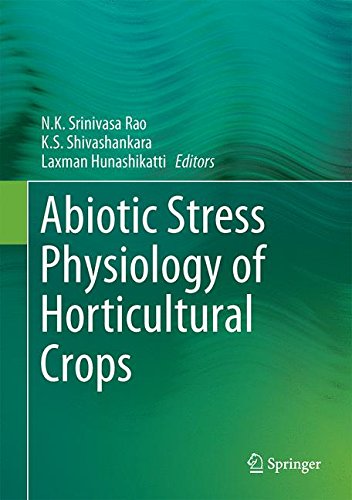


Abiotic Stress Physiology of Horticultural Crops
Book Details
Publisher
Springer
ISBN / ASIN
8132227239
ISBN-13
9788132227236
Availability
Not yet published
Sales Rank
#99,999,999
Marketplace
United States 🇺🇸
Ratings & Reviews
No reviews yet — be the first!
No reviews yet.
Description
This book brings together recent advances in the area of abiotic stress tolerance in various vegetables, fruit crops, plantation crops and tuber crops. The main challenges to improving the productivity of horticultural crops are the different types of abiotic stresses generally caused by climate change at the regional and global level. Heat, drought, cold and salinity are the major abiotic stresses that adversely affect growth and productivity and can trigger a series of morphological, physiological, biochemical and molecular changes in various horticultural crops.Â
To date, there are no books covering horticultural crop-specific abiotic stress tolerance mechanisms and their management. Addressing that gap, the book is divided into 2 sections, the first of which highlights recent advances in the general aspects of abiotic stress tolerance like the role of hormones, reactive oxygen species, seed treatments, molecular mechanisms of heat tolerance and heavy metal toxicity, while the second focuses on the abiotic stress tolerance mechanisms of various vegetables, fruit crops, plantation crops and tuber crops. It includes comprehensive discussions of fruit crops like mango, grapes, banana, litchi and arid zone fruits; vegetables crops like tomato, capsicum, onion and tuber crops; and plantation crops like coconut, areca nut, oil palm and black pepper. Among the strategies for plant stress survival, examples of both avoidance and tolerance relevant to particular crops are examined in detail, supported by selected comprehensive case studies of progress. As such, the book offers a valuable resource suited for scientists and graduate students working in the fields of crop improvement, genetic engineering, and the abiotic stress tolerance of horticultural crops.
 Â
