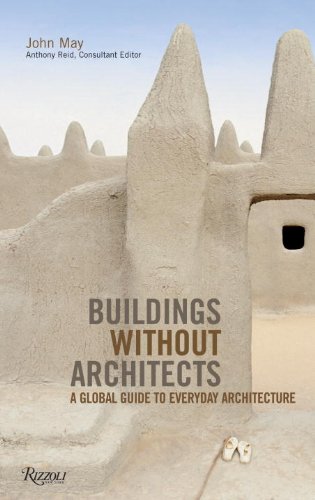


Buildings without Architects: A Global Guide to Everyday Architecture
64.99
USD
Book Details
Author(s)John May,
PublisherRizzoli
ISBN / ASINB005DI8GC8
ISBN-13978B005DI8GC3
Sales Rank2,180,624
MarketplaceUnited States 🇺🇸
Description
A wonderfully informative reference on vernacular styles, from adobe pueblos and Pennsylvania barns to Mongolian yurts and Indonesian stilt houses.
This small but comprehensive book documents the rich cultural past of vernacular building styles, from Irish sod houses to sub-Saharan wattle-and-daub huts and redwoods treehouses. It offers inspiration for home woodworking enthusiasts as well as architects, conservationists, and anyone interested in energy-efficient building and sustainability. The variety and ingenuity of the world’s vernacular building traditions are richly illustrated, and the materials and techniques are explored. With examples from every continent, the book documents the diverse methods people have used to create shelter from locally available natural materials, and shows the impressively handmade finished products through diagrams, cross-sections, and photographs. Unlike modern buildings that rely on industrially produced materials and specialized tools and techniques, the everyday architecture featured here represents a rapidly disappearing genre of handcrafted and beautifully composed structures that are irretrievably "of their place." These structures are the work of unsung and often anonymous builders that combine artistic beauty, practical form, and necessity.
This small but comprehensive book documents the rich cultural past of vernacular building styles, from Irish sod houses to sub-Saharan wattle-and-daub huts and redwoods treehouses. It offers inspiration for home woodworking enthusiasts as well as architects, conservationists, and anyone interested in energy-efficient building and sustainability. The variety and ingenuity of the world’s vernacular building traditions are richly illustrated, and the materials and techniques are explored. With examples from every continent, the book documents the diverse methods people have used to create shelter from locally available natural materials, and shows the impressively handmade finished products through diagrams, cross-sections, and photographs. Unlike modern buildings that rely on industrially produced materials and specialized tools and techniques, the everyday architecture featured here represents a rapidly disappearing genre of handcrafted and beautifully composed structures that are irretrievably "of their place." These structures are the work of unsung and often anonymous builders that combine artistic beauty, practical form, and necessity.
