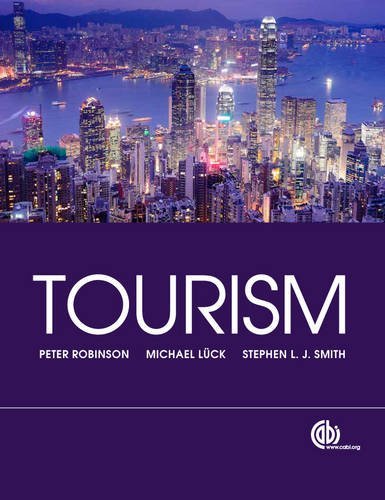


Tourism
Book Details
PublisherCABI
ISBN / ASINB00DGP42EG
ISBN-13978B00DGP42E8
Sales Rank1,484,824
MarketplaceUnited States 🇺🇸
Description
Covering the fundamental topics in tourism studies, this textbook for undergraduate students provides a thorough exploration of tourism as it is taught in higher education. Introducing tourism as an academic subject and guiding students through the early years of their tourism studies, Tourism is relevant not just to tourism courses but also leisure, events, transport and travel, hospitality and business studies. Postgraduate students will also find it a valuable refresher to general tourism topics. The text is presented to reflect current teaching methods and provide an up-to-date perspective in an accessible way.
Tourism begins by addressing tourism perspectives - defining tourism and setting it in a real-world business and economic context, before considering tourism people with a two-pronged approach - those employed in the tourism sector and travellers, visitors and holiday-makers who consume tourism products. Thereafter the operational elements of tourism are described in-depth: the infrastructure, facilities, legislation, financing, destination management and destination strategy that support tourism operations. Tourism development is the theme of the next section, introducing the concepts of planning, the role of organisations, tourism impacts, rural tourism, resources and sustainability. The book concludes with a discussion of tourism futures - tourism research, change, postmodernism and globalisation, and describes emerging tourism trends such as space tourism, virtual reality and the slow movement.
Contents
Preface
About this Book
PART ONE: TOURISM PERSPECTIVES
1. An Introduction to Tourism
2. The Economics of Tourism
PART TWO: TOURISM PEOPLE
3. Tourism as Employer
PART THREE: CONSUMING TOURISM
4. Air Transportation
5. Road and Rail Transportation
6. Water-borne Transport
7. Accommodation
8. Food and Beverage
9. Visitor Attractions
10. Themes in Tourism
PART FOUR: TOURISM MANAGEMENT
11. Operations Management in Tourism
12. Destination Management
13. Tourism and Destination Strategy
14. Tourism and Destination Marketing
PART FIVE: TOURISM DEVELOPMENT
15. Tourism Policy and Planning
16. Tourism and Sustainability
PART SIX: TOURISM FUTURES
17. Tourism Research
18. The Future of Tourism
Tourism begins by addressing tourism perspectives - defining tourism and setting it in a real-world business and economic context, before considering tourism people with a two-pronged approach - those employed in the tourism sector and travellers, visitors and holiday-makers who consume tourism products. Thereafter the operational elements of tourism are described in-depth: the infrastructure, facilities, legislation, financing, destination management and destination strategy that support tourism operations. Tourism development is the theme of the next section, introducing the concepts of planning, the role of organisations, tourism impacts, rural tourism, resources and sustainability. The book concludes with a discussion of tourism futures - tourism research, change, postmodernism and globalisation, and describes emerging tourism trends such as space tourism, virtual reality and the slow movement.
Contents
Preface
About this Book
PART ONE: TOURISM PERSPECTIVES
1. An Introduction to Tourism
2. The Economics of Tourism
PART TWO: TOURISM PEOPLE
3. Tourism as Employer
PART THREE: CONSUMING TOURISM
4. Air Transportation
5. Road and Rail Transportation
6. Water-borne Transport
7. Accommodation
8. Food and Beverage
9. Visitor Attractions
10. Themes in Tourism
PART FOUR: TOURISM MANAGEMENT
11. Operations Management in Tourism
12. Destination Management
13. Tourism and Destination Strategy
14. Tourism and Destination Marketing
PART FIVE: TOURISM DEVELOPMENT
15. Tourism Policy and Planning
16. Tourism and Sustainability
PART SIX: TOURISM FUTURES
17. Tourism Research
18. The Future of Tourism
