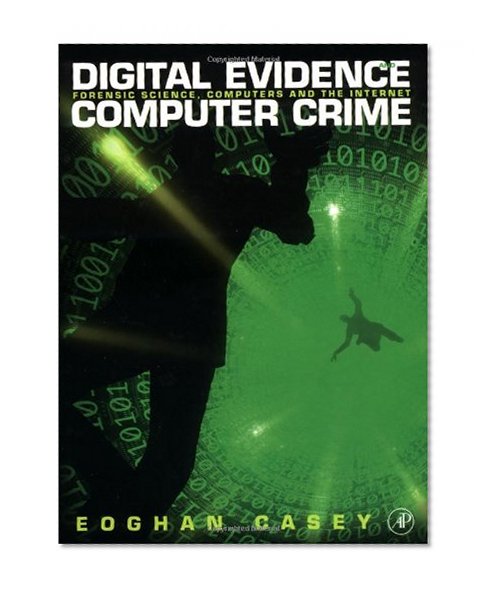
The book is stylishly formatted and easy to read. The main text is interspersed with fascinating case examples--such as the murderer caught at a library because the computer he always used there was traced, or the Colonel who remembered to shred all his documents and delete all e-mail, but didn't realise that backups were regularly made . . .
The author, Eoghan Casey, has designed this book for computer security professionals, law enforcement officers, attorneys and forensic scientists, but it is likely that all those with an interest in the role of computers in crime will find this an interesting read. The book only disappoints on two fronts. First, although much detail is provided on what should be done to gather and use digital evidence, very little technical information is given on how to do it. Secondly, and more seriously, this book makes no mention of the most recent and potentially costly form of cybercrime--fraudulent activity in electronic commerce systems. It would have been nice to hear about some of the automatic data-mining techniques being developed to find these crimes in large databases. However, Casey does a thorough job of explaining the more "traditional" types of cybercrime, and Digital Evidence and Computer Crime is recommended for those new to the field as an excellent introductory text. --Dr. Peter J Bentley