How do the spaces in which science is done shape the identity of the scientist and the self-conception of scientific fields? How do the sciences structure the identity of the architect and the practice of architecture in a specific period? And how does the design of spaces such as laboratories, hospitals, and museums affect how the public perceives and interacts with the world of science? The Architecture of Science offers a dazzling set of speculations on these issues by historians of science, architecture, and art; architectural theorists; and sociologists as well as practicing scientists and architects. The essays are organized into six sections: "Of Secrecy and Openness: Science and Architecture in Early Modern Europe"; "Displaying and Concealing Technics in the Nineteenth Century"; "Modern Space"; "Is Architecture Science?"; "Princeton after Modernism: The Lewis Thomas Laboratory for Molecular Biology"; and "Centers, Cities, and Colliders."
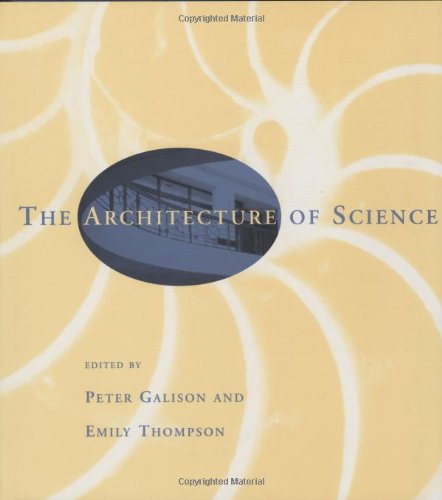
The Architecture of Science
📄 Viewing lite version
Full site ›
Book Details
PublisherThe MIT Press
ISBN / ASIN0262071908
ISBN-139780262071901
Sales Rank2,425,309
CategoryArchitecture
MarketplaceUnited States 🇺🇸
Description ▲
More Books in Architecture
Dynamics of Pavement Structures
View
Compact City Series: Achieving Sustainable Urban Form
View
Invisible Acts of Power: Channeling Grace in Your Ever…
View
Movements in Green: Conceptual Landscape Gardening
View
Building After Auschwitz: Jewish Architecture and the …
View
The Four Elements of Architecture and Other Writings (…
View
Some Assembly Required
View
The Architecture of O'Neil Ford: Celebrating Place
View
Art/Women/California, 1950-2000: Parallels and Interse…
View