In the 1920s, the European avant-garde embraced the cinema, experimenting with the medium in radical ways. Painters including Hans Richter and Fernand Léger as well as filmmakers belonging to such avant-garde movements as Dada and surrealism made some of the most enduring and fascinating films in the history of cinema. In The Filming of Modern Life, Malcolm Turvey examines five films from the avant-garde canon and the complex, sometimes contradictory, attitudes toward modernity they express: Rhythm 21 (Hans Richter, 1921), Ballet mécanique (Dudley Murphy and Fernand Léger, 1924), Entr'acte (Francis Picabia and René Clair, 1924), Un chien Andalou (Salvador Dalà and Luis Buñuel, 1929), and Man with a Movie Camera (Dziga Vertov, 1929). All exemplify major trends within European avant-garde cinema of the time, from abstract animation to "cinéma pur." All five films embrace and resist, in their own ways, different aspects of modernity.
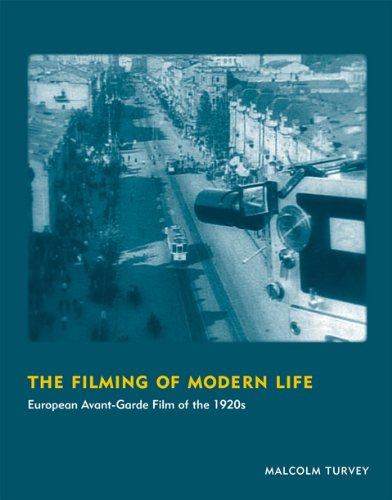
The Filming of Modern Life: European Avant-Garde Film of the 1920s (October Books)
📄 Viewing lite version
Full site ›
Book Details
Author(s)Turvey, Malcolm
PublisherThe MIT Press
ISBN / ASIN0262525119
ISBN-139780262525114
AvailabilityIn stock. Usually ships within 2 to 3 days.
Sales Rank1,191,727
CategoryArt
MarketplaceUnited States 🇺🇸
Description ▲
More Books in Art
The Osbick Bird
View
British Watercolours: 1750-1880
View
The Wizard of Oz (BFI Film Classics)
View
Legend of Korra: The Art of the Animated Series Book T…
View
Handmade in India: A Geographic Encyclopedia of India …
View
Correspondence Course: An Epistolary History of Carole…
View
Writing About the Humanities (3rd Edition)
View
The New Testament and Other Early Christian Writings: …
View