A fascinating account of how radical researchers have used experiments to overturn conventional wisdom and shaped life as we know it
Experiments have consistently been used in the hard sciences, but in recent decades social scientists have adopted the practice. Randomized trials have been used to design policies to increase educational attainment, lower crime rates, elevate employment rates, and improve living standards among the poor.
This book tells the stories of radical researchers who have used experiments to overturn conventional wisdom. From finding the cure for scurvy to discovering what policies really improve literacy rates, Leigh shows how randomistas have shaped life as we know it. Written in a “Gladwell-esque” style, this book provides a fascinating account of key randomized control trial studies from across the globe and the challenges that randomistas have faced in getting their studies accepted and their findings implemented. In telling these stories, Leigh draws out key lessons learned and shows the most effective way to conduct these trials.
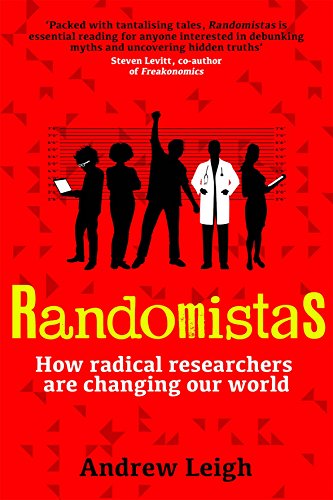
Randomistas: How Radical Researchers Are Changing Our World
📄 Viewing lite version
Full site ›
Book Details
Author(s)Leigh, Andrew
PublisherYale University Press
ISBN / ASIN0300236123
ISBN-139780300236125
AvailabilityIn Stock.
Sales Rank222,328
MarketplaceUnited States 🇺🇸
Description ▲
Similar Products ▼
- The Tyranny of Metrics
- The Book of Why: The New Science of Cause and Effect
- The People vs. Democracy: Why Our Freedom Is in Danger and How to Save It
- Doing Good Better: How Effective Altruism Can Help You Help Others, Do Work that Matters, and Make Smarter Choices about Giving Back
- Forging the Sword: Doctrinal Change in the U.S. Army
- The Formula: The Universal Laws of Success
- Cyber Strategy: The Evolving Character of Power and Coercion
- Stubborn Attachments: A Vision for a Society of Free, Prosperous, and Responsible Individuals
- The Art of the Long View: Planning for the Future in an Uncertain World
- Factfulness: Ten Reasons We're Wrong About the World--and Why Things Are Better Than You Think