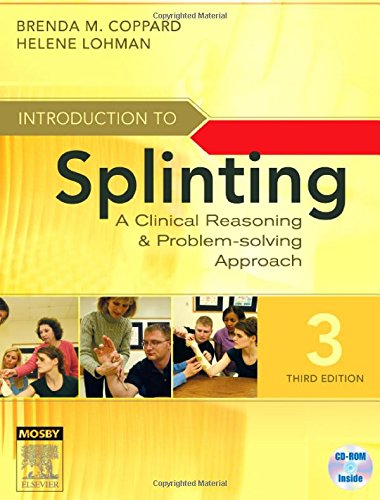
The third edition of Introduction to Splinting: A Clinical Reasoning and Problem-Solving Approach helps readers master the basic theory, principles, and techniques of splinting needed for clinical practice. Using a combination textbook/workbook format, it integrates theory and technical knowledge with hands-on learning features that equip readers with essential clinical knowledge, critical thinking skills, and problem-solving skills associated with splinting.
- Comprehensive coverage presents the fundamentals of splinting that a therapist needs to know.
- Self-quizzes, case studies, and lab exercises help readers bridge the gap between learning and practice and apply what they've learned to real-life situations.
- Key terms, chapter outlines, and review questions highlights specific information that the reader can expect to learn from each chapter.
- Combined textbook/workbook format reinforces information as it is learned and encourages practical application of concepts.
- Content has been updated to include new research and techniques, current trends, and new information sources.
- Lists of key terms for each chapter help familiarize the reader with relevant terminology.
- Two new case studies have been added to each chapter, strengthening the book's clinical application focus.
- Companion CD contains video clips demonstrating how to fabricate specific splints.
- Four new chapters cover topics such as occupation-based splinting, tools, processes, and techniques of splinting, and splints for the elbow, shoulder, and fingers.
- Chapters are divided into three units: splinting foundations; splints for conditions and populations; and topics related to splinting.
- A new appendix directs readers to helpful online resources and vendors.