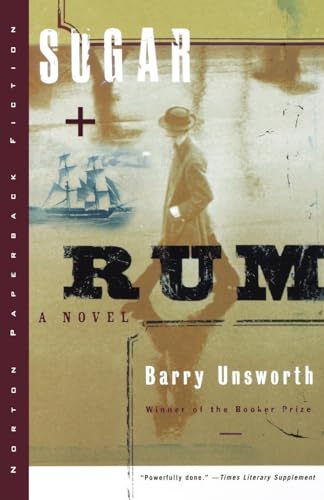
These encounters precipitate a crisis: Benson becomes obsessed with a traumatic wartime episode in which he inadvertently led a friend to his death, and then, stumbling from fantasy to action, he hatches a scheme to exact revenge on the arrogant second lieutenant they served under. As engrossingly bizarre as it is, plot in Sugar and Rum is secondary to narrative warp and woof--metaphor, allusion, surreal juxtapositions. A hypnotist neighbor appears to offer advice on getting rid of the owl that has invaded Benson's flat; a magazine featuring Dali and Verdi leads to the detested second lieutenant; the terrible legacy of the slave trade shadows every aspect of contemporary Liverpool.
Sugar and Rum is at once an inflamed political novel of class and race warfare, a satire of current social malaise, a portrait of the artist as a damaged but still plucky old man, a meditation on the meanings of performance, and a ripping good read. It is also an amusingly distorted autobiography, since Unsworth in real life succeeded in writing the slave-trade novel that defeats his alter ego--Sacred Hunger, which won the Booker Prize. It's quite a juggling act, but Unsworth proves himself more than equal to the task. --David Laskin