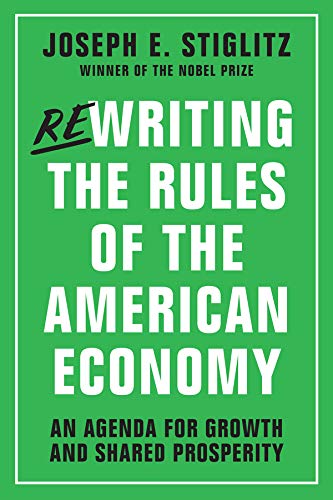
It’s time to rewrite the rules?to curb the runaway flow of wealth to the top one percent, to restore security and opportunity for the middle class, and to foster stronger growth rooted in broadly shared prosperity.
Inequality is a choice.
The United States bills itself as the land of opportunity, a place where anyone can achieve success and a better life through hard work and determination. But the facts tell a different story?the U.S. today lags behind most other developed nations in measures of inequality and economic mobility. For decades, wages have stagnated for the majority of workers while economic gains have disproportionately gone to the top one percent. Education, housing, and health care?essential ingredients for individual success?are growing ever more expensive. Deeply rooted structural discrimination continues to hold down women and people of color, and more than one-fifth of all American children now live in poverty. These trends are on track to become even worse in the future.
Some economists claim that today’s bleak conditions are inevitable consequences of market outcomes, globalization, and technological progress. If we want greater equality, they argue, we have to sacrifice growth. This is simply not true. American inequality is the result of misguided structural rules that actually constrict economic growth. We have stripped away worker protections and family support systems, created a tax system that rewards short-term gains over long-term investment, offered a de facto public safety net to too-big-to-fail financial institutions, and chosen monetary and fiscal policies that promote wealth over full employment.