It is understandable that earlier chroniclers (and survivors) of the Nazi genocide, such as Primo Levi and Elie Wiesel, would have difficulty approaching it with the scholar's objectivity or compulsion to examine all sides of the issue--indeed, in Levi's mind, trying to understand the motivations of the Nazis was tantamount to endorsing them. Clendinnen, an expert in ancient Mayan and Aztec cultures, carefully differentiates between comprehending one's subject and identifying with it. She suggests that only by understanding the minds behind the Final Solution--and not just Hitler and Himmler but the average man in the street and buck private in the army, as well--can we hope to place the Holocaust in historical context. The author divides her study into three parts: in the first (and perhaps most controversial), she discusses the problems inherent in eyewitness accounts; in the second, she examines Nazi psychology; and in the last section, she looks at artistic representations of the Holocaust. Throughout, she amply represents the views of important Holocaust commentators and the many theories that abound. Best of all, she does it in highly readable prose. Reading the Holocaust is a thoughtful, provocative look at an old and troubling question.
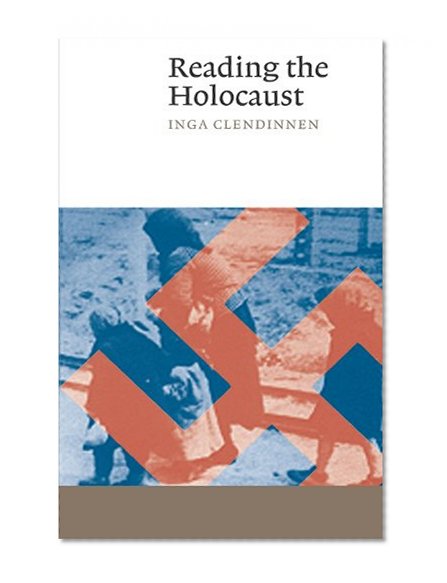
Reading the Holocaust (Canto)
📄 Viewing lite version
Full site ›
Book Details
Author(s)Inga Clendinnen
PublisherCambridge University Press
ISBN / ASIN0521012694
ISBN-139780521012690
AvailabilityUsually ships in 24 hours
Sales Rank1,002,082
CategoryHistory
MarketplaceUnited States 🇺🇸
Description ▲
Decades after the end of World War II, the Holocaust remains as inexplicable and morbidly fascinating as ever. Countless books have been written about it--accounts of survivors, biographies of Hitler and his cronies, poetry and fiction informed by an event no poet or novelist could have imagined for him- or herself. Along with the deluge of responses to the horror, there have arisen two assumptions: first, that it was a unique event in world history; and, second, that it is impossible to understand the motivations of the Nazi perpetrators. Australian anthropologist Inga Clendinnen challenges both these suppositions in her controversial revisiting of the Holocaust.
More Books in History
Tutankhamen, Amenism, Atenism and Egyptian Monotheism,…
View
Barefoot on Crane Island: A Fond Reminiscence of Lake …
View
Critical Essays on Israeli Society, Religion, and Gove…
View
Flashpoint in Ukraine: How the US Drive for Hegemony R…
View
Militancy and Violence in West Africa (Contemporary Se…
View
The Confessions of Edward Isham: A Poor White Life of …
View
A Nation Transformed: England after the Restoration
View
Bunyan'S Devotional Works. the Spirit of Prayer: the S…
View