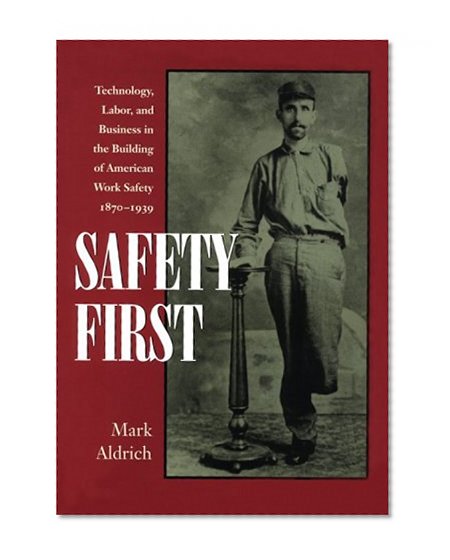
In 1907, American coal mines killed 3,242 men in occupational accidents, probably an all-time high both for the industry and for all laboring accidents in this country. In December alone, two mines at Monongah, West Virginia, blew up, killing 362 men. Railroad accidents that same year killed another 4,534. At a single South Chicago steel plant, 46 workers died on the job. In mines and mills and on railroads, work in America had become more dangerous than in any other advanced nation. Ninety years later, such numbers and events seem extraordinary. Although serious accidents do still occur, industrial jobs in the United States have become vastly and dramatically safer.
In Safety First, Mark Aldrich offers the first full account of why the American workplace became so dangerous, and why it is now so much safer. Aldrich, an economist who once served as an OSHA investigator, first describes the increasing dangers of industrial work in late-nineteenth-century America as a result of technological change, careless work practices, and a legal system that minimized employers' responsibility for industrial accidents. He then explores the developments that led to improved safety―government regulation, corporate publicizing of safety measures, and legislation that raised the costs of accidents by requiring employers to pay workmen's compensation. At the heart of these changes, Aldrich contends, was the emergence of a safety ideology that stressed both worker and management responsibility for work accidents―a stunning reversal of earlier attitudes.