Winner of the 2010 Bancroft Prize
In the late nineteenth and early twentieth centuries, indigenous communities in the United States and Australia suffered a common experience at the hands of state authorities: the removal of their children to institutions in the name of assimilating American Indians and protecting Aboriginal people. Although officially characterized as benevolent, these government policies often inflicted great trauma on indigenous families and ultimately served the settler nations larger goals of consolidating control over indigenous peoples and their lands.
White Mother to a Dark Race takes the study of indigenous education and acculturation in new directions in its examination of the key roles white women played in these policies of indigenous child-removal. Government officials, missionaries, and reformers justified the removal of indigenous children in particularly gendered ways by focusing on the supposed deficiencies of indigenous mothers, the alleged barbarity of indigenous men, and the lack of a patriarchal nuclear family. Often they deemed white women the most appropriate agents to carry out these child-removal policies. Inspired by the maternalist movement of the era, many white women were eager to serve as surrogate mothers to indigenous children and maneuvered to influence public policy affecting indigenous people. Although some white women developed caring relationships with indigenous children and others became critical of government policies, many became hopelessly ensnared in this insidious colonial policy.
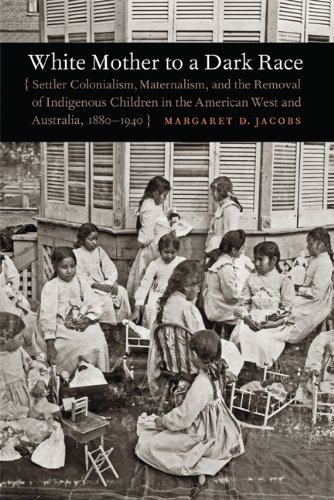
White Mother to a Dark Race: Settler Colonialism, Maternalism, and the Removal of Indigenous Children in the American West and Australia, 1880-1940
📄 Viewing lite version
Full site ›
Book Details
Author(s)Margaret D. Jacobs
PublisherUniv of Nebraska Pr
ISBN / ASIN0803211007
ISBN-139780803211001
AvailabilityUsually ships in 2 to 4 weeks
Sales Rank2,528,237
CategorySocial Science
MarketplaceUnited States 🇺🇸
Description ▲
More Books in Social Science
Introduction to the Sociology of Development
View
The Career Mystique: Cracks in the American Dream
View
Three Studies on Egyptian Feasts and their Chronologic…
View
American People Of Austrian Descent, including: Arnold…
View
World Wrestling Entertainment Championships, including…
View
Fetish Artists, including: John Willie, Robert Bishop …
View
Fictional Irish People, including: Leopold Bloom, Arte…
View
Sound Alliances: Indigenous Peoples, Cultural Politics…
View
Andean Entrepreneurs: Otavalo Merchants and Musicians …
View