The New Man is unusual in its double perspective: for Bruce’s life was split by servitude and freedom, and his experience gave heightened meaning to both. Bruce provides insights into the slave’s attitudes toward his masters and toward poor white people. He believes that “good blood†(a sense of honor and duty and domestic virtues) will tell, no matter the race, but he appeals to fairness in assessing the situation of emancipated slaves at the end of the Civil War: "They were set free without a dollar, without a foot of land, and without the wherewithal to get the next meal even, and this too by a great Christian Nation."
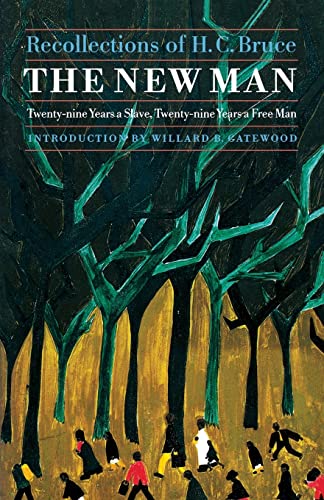
The New Man: Twenty-Nine Years a Slave, Twenty-Nine Years a Free Man. Recollections of H. C. Bruce (Blacks in the American West)
📄 Viewing lite version
Full site ›
Book Details
Author(s)Bruce, H. C.
PublisherBison Books
ISBN / ASIN0803261322
ISBN-139780803261327
AvailabilityIn Stock.
Sales Rank3,622,901
CategorySocial Science
MarketplaceUnited States 🇺🇸
Description ▲
Born to black slaves in 1836, H. C. Bruce took the name of his master, a farmer in Prince Edward County, Virginia. After years of slaving on the plantation in Missouri and working in tobacco factories, Bruce escaped to freedom in Kansas with his future wife. In the 1880s, he moved to the District of Columbia to take a federal job arranged by his brother, Blanche K. Bruce, a senator from Mississippi.Â
More Books in Social Science
Introduction to the Sociology of Development
View
The Career Mystique: Cracks in the American Dream
View
Three Studies on Egyptian Feasts and their Chronologic…
View
American People Of Austrian Descent, including: Arnold…
View
World Wrestling Entertainment Championships, including…
View
Fetish Artists, including: John Willie, Robert Bishop …
View
Fictional Irish People, including: Leopold Bloom, Arte…
View
Sound Alliances: Indigenous Peoples, Cultural Politics…
View
Andean Entrepreneurs: Otavalo Merchants and Musicians …
View