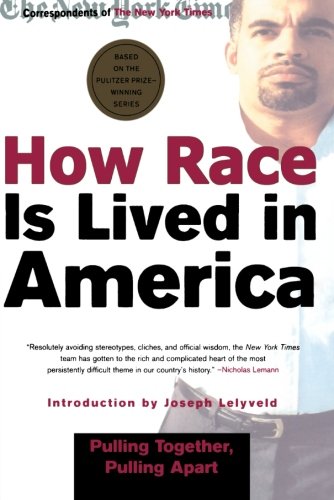
The Assembly of God Tabernacle in Decatur, Georgia, has succeeded at doing what most institutions in America have failed at--achieving full integration. White parishioners who thought of blacks in the worst terms in the past have now decided that all believers--black and white--are going to the same heaven, so they might as well get used to it here on earth. After a black man hugs an elderly white woman, he says, "Man, 30 or 40 years ago I would have been hung for just touching this lady." While there is genuine affection between many of the parishioners, all the complex feelings and questions that plague the races at the turn of the century are being reckoned with here. Is integration a blessing or a sellout, blacks wonder. Is it ever acceptable--or even helpful--to make race the issue, or must a preacher and his congregation always feign colorblindness? What are the burdens of blending in, and are they worth it? And will this last, or is the church just like so many neighborhoods--enjoying a fleeting moment of integration on the way to becoming predominantly black? These are just some of the touchy issues explored in this remarkable and eye-opening book.
Originally published as a series in The New York Times, the 15 stories are the outcome of a yearlong examination by a team of reporters who managed to overcome the taboo of discussing private attitudes toward race and uncover the daily experience of race relations in schools, friendships, sports, popular culture, worship, and the workplace. The result is a wide range of intimate portraits, from bringing up slavery in the Old South, to drug cops reacting silently to the Amadou Diallo verdict, to the making of the HBO special The Corner: A Year in the Life of an Inner-City Neighborhood.
Race clearly remains a source of misunderstanding and alienation, but there are also heartening signs of reaching out, reconciliation, and even unity. This book is an important leap into an area most fear to tread, yet also yearn to change. --Lesley Reed