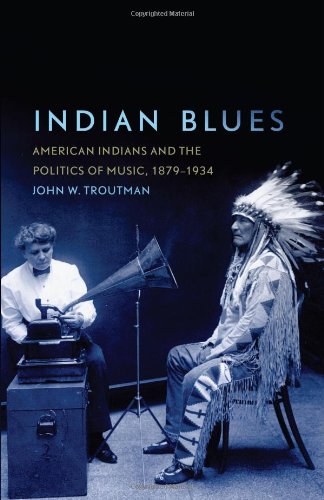
In this innovative study, John W. Troutman explores the politics of music at the turn of the twentieth century in three spheres: reservations, off-reservation boarding schools, and public venues such as concert halls and Chautaqua circuits. On their reservations, the Lakotas manipulated concepts of U.S. citizenship and patriotism to reinvigorate and innovate social dances, even while the federal government stepped up efforts to suppress them. At Carlisle Indian School, teachers and bandmasters used music in hopes of imposing their "civilization" agenda, but students made their own meaning of their music. Finally, many former students, armed with saxophones, violins, or operatic vocal training, formed their own "all-Indian" and tribal bands and quartets and traversed the country, engaging the market economy, and federal Indian policy initiatives, on their own terms.
While recent scholarship has offered new insights into the experiences of "show Indians" and evolving powwow traditions, Indian Blues is the first book to explore the polyphony of Native musical practices and their relationship to federal Indian policy in this important period of American Indian history.