Search Books
The Complexity of Modern As… American Indians in U.S. Hi…

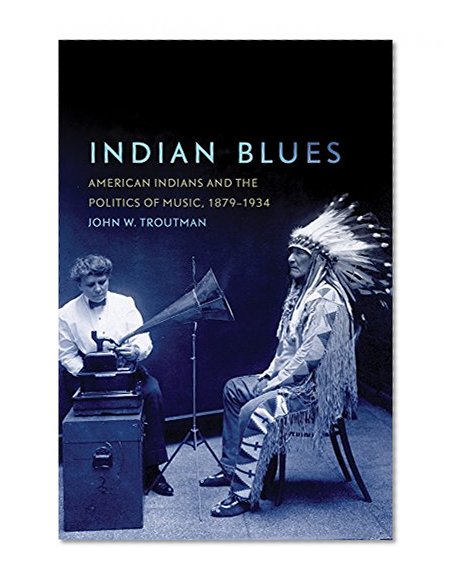
Indian Blues: American Indians and the Politics of Music, 1879–1934 (New Directions in Native American Studies series)

Author John W. Troutman
Publisher University of Oklahoma Press
Category History
📄 Viewing lite version Full site ›
🌎 Shop on Amazon — choose country
22.46 24.95 USD
🛒 Buy New on Amazon 🇺🇸 🏷 Buy Used — $15.20

✓ Usually ships in 24 hours

Share:
Book Details
ISBN / ASIN0806142693
ISBN-139780806142692
AvailabilityUsually ships in 24 hours
Sales Rank439,978
CategoryHistory
MarketplaceUnited States 🇺🇸

Description

From the late nineteenth century through the 1920s, the U.S. government sought to control practices of music on reservations and in Indian boarding schools. At the same time, Native singers, dancers, and musicians created new opportunities through musical performance to resist and manipulate those same policy initiatives. Why did the practice of music generate fear among government officials and opportunity for Native peoples?

In this innovative study, John W. Troutman explores the politics of music at the turn of the twentieth century in three spheres: reservations, off-reservation boarding schools, and public venues such as concert halls and Chautauqua circuits. On their reservations, the Lakotas manipulated concepts of U.S. citizenship and patriotism to reinvigorate and adapt social dances, even while the federal government stepped up efforts to suppress them. At Carlisle Indian School, teachers and bandmasters taught music in hopes of imposing their “civilization” agenda, but students made their own meaning of their music. Finally, many former students, armed with saxophones, violins, or operatic vocal training, formed their own “all-Indian” and tribal bands and quartets and traversed the country, engaging the market economy and federal Indian policy initiatives on their own terms.

While recent scholarship has offered new insights into the experiences of “show Indians” and evolving powwow traditions, Indian Blues is the first book to explore the polyphony of Native musical practices and their relationship to federal Indian policy in this important period of American Indian history.

The Jewish State
View
Fiction in the Portuguese-speaking World
View
Operation Totalize 1944: The Allied drive south from C…
View
The American Spirit: Celebrating the Virtues and Value…
View
A Woman's Dilemma: Mercy Otis Warren and the American …
View
Wesap: Weirton Steel Employee Stock Annihilation Plan:…
View
Created Equal: A Social and Political History of the U…
View
From the Ballroom to Hell: Grace and Folly in Nineteen…
View