On February 25, 1946, African Americans in Columbia, Tennessee, averted the lynching of James Stephenson, a nineteen-year-old, black Navy veteran accused of attacking a white radio repairman at a local department store. That night, after Stephenson was safely out of town, four of Columbia's police officers were shot and wounded when they tried to enter the town's black business district. The next morning, the Tennessee Highway Patrol invaded the district, wrecking establishments and beating men as they arrested them. By day's end, more than one hundred African Americans had been jailed. Two days later, highway patrolmen killed two of the arrestees while they were awaiting release from jail.
Drawing on oral interviews and a rich array of written sources, Gail Williams O'Brien tells the dramatic story of the Columbia "race riot," the national attention it drew, and its surprising legal aftermath. In the process, she illuminates the effects of World War II on race relations and the criminal justice system in the United States. O'Brien argues that the Columbia events are emblematic of a nationwide shift during the 1940s from mob violence against African Americans to increased confrontations between blacks and the police and courts. As such, they reveal the history behind such contemporary conflicts as the Rodney King and O. J. Simpson cases.
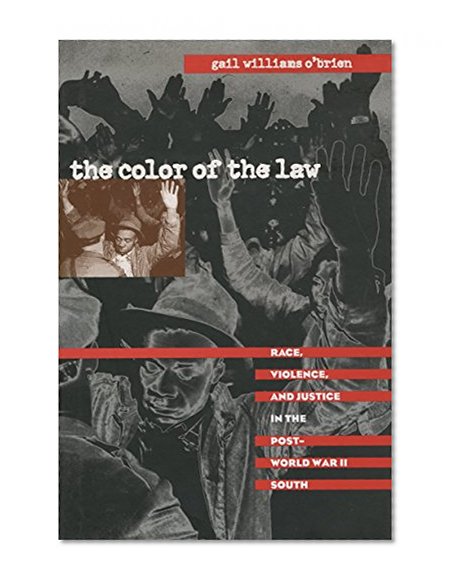
The Color of the Law: Race, Violence, and Justice in the Post-World War II South (The John Hope Franklin Series in African American History and Culture)
📄 Viewing lite version
Full site ›
Book Details
Author(s)Gail Williams O'Brien
ISBN / ASIN0807848026
ISBN-139780807848029
AvailabilityUsually ships in 24 hours
Sales Rank1,042,177
CategorySocial Science
MarketplaceUnited States 🇺🇸
Description ▲
More Books in Social Science
Introduction to the Sociology of Development
View
The Career Mystique: Cracks in the American Dream
View
Three Studies on Egyptian Feasts and their Chronologic…
View
American People Of Austrian Descent, including: Arnold…
View
World Wrestling Entertainment Championships, including…
View
Fetish Artists, including: John Willie, Robert Bishop …
View
Fictional Irish People, including: Leopold Bloom, Arte…
View
Sound Alliances: Indigenous Peoples, Cultural Politics…
View
Andean Entrepreneurs: Otavalo Merchants and Musicians …
View