Advertisers, McGovern shows, used nationalist ideals, icons, and political language to define consumption as the foundation of the pursuit of happiness. Consumer advocates, on the other hand, viewed the market with a republican-inspired skepticism and fought commercial incursions on consumer independence. The result, says McGovern, was a redefinition of the citizen as consumer. The articulation of an "American Way of Life" in the Depression and World War II ratified consumer abundance as the basis of a distinct American culture and history.
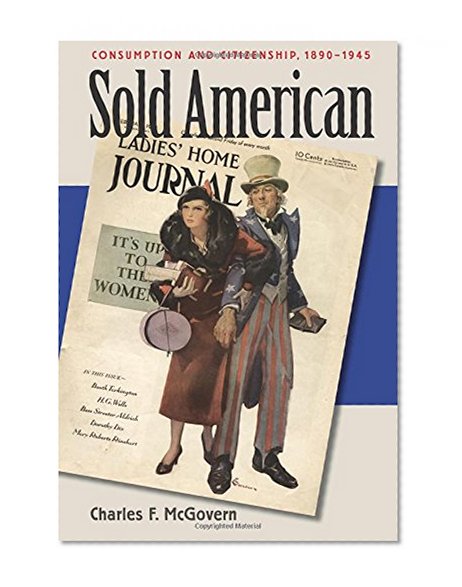
Sold American: Consumption and Citizenship, 1890-1945
📄 Viewing lite version
Full site ›
Book Details
Author(s)Charles F. McGovern
ISBN / ASIN0807856762
ISBN-139780807856765
Sales Rank921,916
MarketplaceUnited States 🇺🇸
Description ▲
At the turn of the twentieth century, an emerging consumer culture in the United States promoted constant spending to meet material needs and develop social identity and self-cultivation. In Sold American, Charles F. McGovern examines the key players active in shaping this cultural evolution: advertisers and consumer advocates. McGovern argues that even though these two professional groups invented radically different models for proper spending, both groups propagated mass consumption as a specifically American social practice and an important element of nationality and citizenship.