Using a unique sample of bankruptcy records, credit reports, advertisements, city directories, census reports, and other sources, Sparks argues that women were competitive, economic actors, strategizing how best to capitalize on their skills in the marketplace. Their boardinghouses, restaurants, saloons, beauty shops, laundries, and clothing stores dotted the city's landscape. By the early twentieth century, however, technological advances, new preferences for name-brand goods, and competition from large-scale retailers constricted opportunities for women entrepreneurs at the same time that new opportunities for women with families drew them into other occupations. Sparks's analysis demonstrates that these businesswomen were intimately tied to the fortunes of the city over its first seventy years.
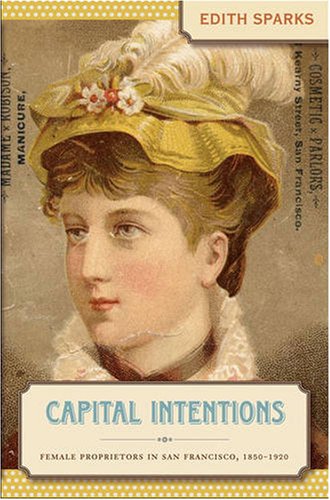
Capital Intentions: Female Proprietors in San Francisco, 1850-1920 (The Luther H. Hodges Jr. and Luther H. Hodges Sr. Series on Business, Society, and the State)
📄 Viewing lite version
Full site ›
⌛ 🇬🇧 United Kingdom pricing being fetched…
Prices will appear once fetched — usually within a few minutes.
View in:
🇺🇸 USA
Book Details
Author(s)Edith Sparks
ISBN / ASIN0807857750
ISBN-139780807857755
MarketplaceUnited Kingdom 🇬🇧
Description ▲
Late nineteenth-century San Francisco was an ethnically diverse but male-dominated society bustling from a rowdy gold rush, recovery from the earthquake, and explosive economic growth. Within this booming marketplace, some women stepped beyond their roles as wives, caregivers, and homemakers to start businesses that combined family concerns with money-making activities. Edith Sparks traces the experiences of these women entrepreneurs, exploring who they were, why they started businesses, how they attracted customers and managed finances, and how they dealt with failure.