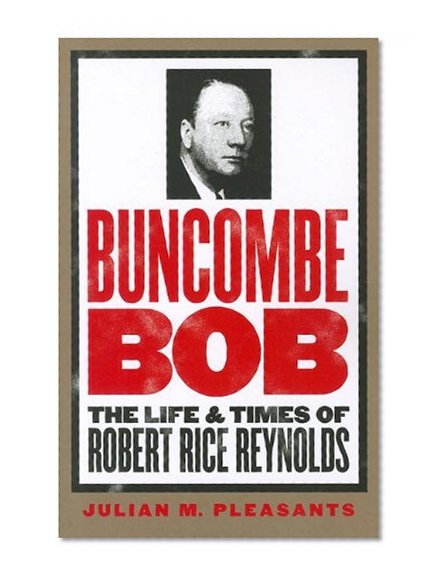
Julian Pleasants argues that Reynolds must be understood in the context of Depression-era North Carolina. He capitalized on the discontent of the poverty-stricken lower class by campaigning in tattered clothes while driving a ramshackle Model T—a sharp contrast to his wealthy, chauffeur-driven opponent, incumbent senator Cam Morrison. In office, Reynolds supported Roosevelt's New Deal. Although he was not pro-Nazi, his isolationist stance and his association with virulent right-wingers enraged his constituents and ultimately led to his withdrawal from politics.
Pleasants reveals Reynolds to be a showman of the first order, a skilled practitioner of class politics, and a unique southern politician—the only one who favored the New Deal while advocating isolationist views.