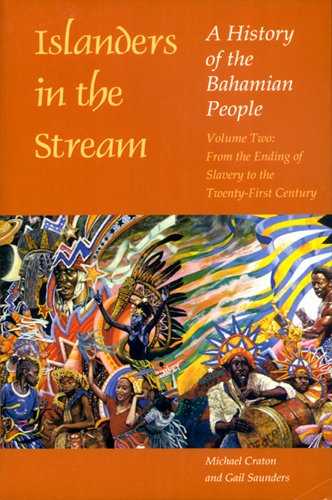
Volume Two divides this period into three chronological sections, dealing first with adjustments to emancipation by former masters and former slaves between 1834 and 1900, followed by a study of the slow process of modernization between 1900 and 1973 that combines a systematic study of the stimulus of social change, a candid examination of current problems, and a penetrating but sympathetic analysis of what makes the Bahamas and Bahamians distinctive in the world.
This work is an eminent product of the New Social History, intended for Bahamians, others interested in the Bahamas, and scholars alike. It skillfully interweaves generalizations and regional comparisons with particular examples, drawn from travelers' accounts, autobiographies, private letters, and the imaginative reconstruction of official dispatches and newspaper reports. Lavishly illustrated with contemporary photographs and original maps, it stands as a model for forthcoming histories of similar small ex-colonial nations in the region.