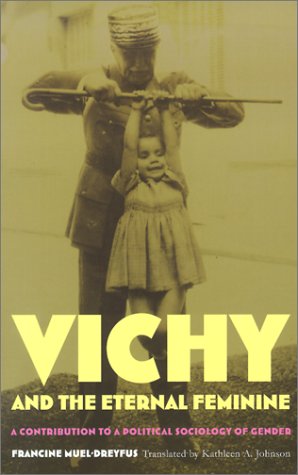
Drawing on an extensive body of legislative, religious, educational, medical, and literary texts, Muel-Dreyfus examines how the Vichy regime brutally resurrected the gender politics that had been rejected during France’s social struggles in the 1930s. Strikingly, she reveals how this resurrection in turn fed into racial politics: childless women, for instance, and those who had abortions were construed—like Jews—as threats to France’s racial “purity.†With its atendant patterns of social inclusion and exclusion that were deeply rooted in the political and cultural history of the Third Republic, Muel-Dreyfus claims, a pervasive range of gendered metaphors helped to structure the very laws and policies of the Vichy regime.
The French language edition of this book was published in 1996 to wide acclaim. Contributing to theories about the role of gender in political philosophy, to the cultural anthropology of symbolic representation, and to our understanding of the history of fascism, Vichy and the Eternal Feminine will appeal to French, European, and twentieth-century historians; students and scholars of gender and racial studies; political scientists; and anthropologists.