The study of human body measurements on a comparative basis is known as anthropometrics. Its applicability to the design process is seen in the physical fit, or interface, between the human body and the various components of interior space.
Human Dimension and Interior Space is the first major anthropometrically based reference book of design standards for use by all those involved with the physical planning and detailing of interiors, including interior designers, architects, furniture designers, builders, industrial designers, and students of design. The use of anthropometric data, although no substitute for good design or sound professional judgment should be viewed as one of the many tools required in the design process. This comprehensive overview of anthropometrics consists of three parts.
The first part deals with the theory and application of anthropometrics and includes a special section dealing with physically disabled and elderly people. It provides the designer with the fundamentals of anthropometrics and a basic understanding of how interior design standards are established. The second part contains easy-to-read, illustrated anthropometric tables, which provide the most current data available on human body size, organized by age and percentile groupings. Also included is data relative to the range of joint motion and body sizes of children. The third part contains hundreds of dimensioned drawings, illustrating in plan and section the proper anthropometrically based relationship between user and space. The types of spaces range from residential and commercial to recreational and institutional, and all dimensions include metric conversions.
In the Epilogue, the authors challenge the interior design profession, the building industry, and the furniture manufacturer to seriously explore the problem of adjustability in design. They expose the fallacy of designing to accommodate the so-called average man, who, in fact, does not exist. Using government data, including studies prepared by Dr. Howard Stoudt, Dr. Albert Damon, and Dr. Ross McFarland, formerly of the Harvard School of Public Health, and Jean Roberts of the U.S. Public Health Service, Panero and Zelnik have devised a system of interior design reference standards, easily understood through a series of charts and situation drawings. With Human Dimension and Interior Space, these standards are now accessible to all designers of interior environments.
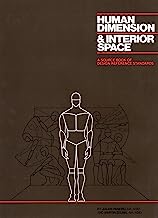
Human Dimension & Interior Space: A Source Book of Design Reference Standards
📄 Viewing lite version
Full site ›
Book Details
Author(s)Panero, Julius
PublisherWatson-Guptill
ISBN / ASIN0823072711
ISBN-139780823072712
AvailabilityIn Stock.
Sales Rank43,297
CategoryArchitecture
MarketplaceUnited States 🇺🇸
Description ▲
Similar Products ▼
- Space Planning Basics
- Time-Saver Standards for Interior Design and Space Planning
- The Interior Plan: Concepts and Exercises
- The Interior Design Reference & Specification Book updated & revised: Everything Interior Designers Need to Know Every Day
- NKBA Kitchen and Bathroom Planning Guidelines with Access Standards
- Interior Graphic and Design Standards
- Construction Drawings and Details for Interiors
- The Measure of Man and Woman: Human Factors in Design
- Residential Interior Design: A Guide to Planning Spaces, Third Edition
- The Codes Guidebook for Interiors
More Books in Architecture
Dynamics of Pavement Structures
View
Compact City Series: Achieving Sustainable Urban Form
View
Invisible Acts of Power: Channeling Grace in Your Ever…
View
Movements in Green: Conceptual Landscape Gardening
View
Building After Auschwitz: Jewish Architecture and the …
View
The Four Elements of Architecture and Other Writings (…
View
Some Assembly Required
View
The Architecture of O'Neil Ford: Celebrating Place
View
Art/Women/California, 1950-2000: Parallels and Interse…
View