If he decided to be a priest in a religious order, though, he could live out in the country, at a college, and have invigorating walks and talks with students ... and maybe some exciting adventures, and also do good, as often happened in the Father Finn books ("'My God!' cried the atheist") that Sister Agatha read to the class at the end of the day.Joe eventually attends seminary, is ordained, and finds himself appointed as assistant to a high-octane contemplative, Father Van Slaag. But by the time he gets his own parish, in 1968, he's become an expert at relegating sanctity to the back burner. Overweight, agreeably resigned, Joe accepts the fact that "running a parish, any parish, was like riding a cattle car in the wintertime--you could appreciate the warmth of your dear, dumb friends, but you never knew when you'd be stepped on, or worse."
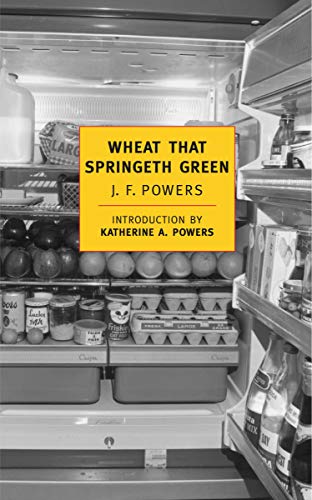
It takes the arrival of a young, over-earnest curate to jog his idealism back to life. And in return, he imparts to the younger man his knowledge of the "worldly" priesthood--a craft that Powers, no less than de Tocqueville, refuses to condemn. This exchange, which is gradual and grudging on both sides, occupies the greater portion of Wheat That Springeth Green. And the protagonist's regeneration, like that alluded to in the title, seems no less miraculous for being expected. The result is a marvelous, acute novel, which gives to Joe's spiritual rebirth the shape of a classic American comedy--trials and tribulations, and finally, a happy ending. --James Marcus