Over the course of their 70-year lifespan, sperm whales will easily travel the circumference of the Earth in search of food and the need to breed and find a mate. Males will travel as far north as the Bering Sea and as far south as Antarctica in order to find enough food to sustain their ways of live—up to 700 squid a day! Along the way, these massive beasts battle 30-feet-long giant squids, and each other, to sustain their ways of life.
National Geographic supports K-12 educators with ELA Common Core Resources.
Visit www.natgeoed.org/commoncore for more information.
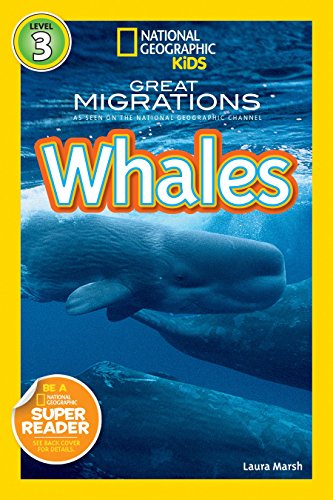
National Geographic Readers: Great Migrations Whales
📄 Viewing lite version
Full site ›
Book Details
Author(s)Laura Marsh
PublisherNational Geographic Children's Books
ISBN / ASIN1426307454
ISBN-139781426307454
AvailabilityUsually ships in 24 hours
Sales Rank20,424
CategoryJuvenile Nonfiction
MarketplaceUnited States 🇺🇸
Description ▲
Similar Products ▼
- National Geographic Readers: Dolphins
- National Geographic Readers: Great Migrations Elephants
- National Geographic Readers: Great Migrations Amazing Animal Journeys
- National Geographic Readers: Sharks! (Science Reader Level 2)
- National Geographic Readers: Bears
- National Geographic Readers: Weird Sea Creatures
- National Geographic Readers: Sea Turtles
- National Geographic Readers: Deadliest Animals
- National Geographic Readers: Meteors
- Whales: Amazing Pictures & Fun Facts on Animals in Nature (Our Amazing World Series Book)
More Books in Juvenile Nonfiction
Garbage Trucks (Pebble Plus: Mighty Machines)
View
Teen Consumer Smarts: Shop, Save, and Steer Clear of S…
View
Westward Expansion (Making of America (Raintree))
View
Sharks Past and Present (Prehistoric Animals and Their…
View
The Inca City Of Cuzco (Places in History)
View
What Happened? (Learn to Read, Read to Learn: Science)
View
Computer Hacking (Crime Scene Investigations)
View
Asteroids, Comets, and Meteorites (First Facts: Solar …
View
Drawing Wicked Tyrants (You Can Draw Fantasy Figures)
View