Dr. Preeg answers these questions with a clear presentation of the relationship between U.S. trade and financial interests. He argues that the chronic trade deficit and the related buildup of foreign debt can have substantial adverse consequences for the United States, and that early actions are needed to increase the U.S. savings rate and to curtail mercantilist exchange rate policies by some trading partners. Many observers believe we do not need to worry about the trade deficit in this era of high growth and full employment. The Trade Deficit, the Dollar, and the U.S. National Interest is essential reading for anyone interested in a more concerned assessment of the prospects for America’s economic future and geopolitical position.
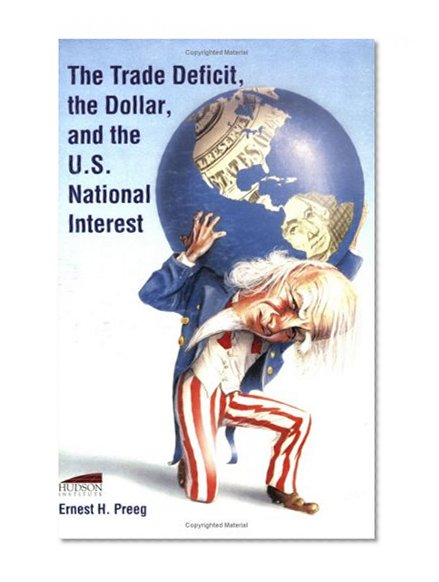
The Trade Deficit, the Dollar, and the U.S. National Interest
📄 Viewing lite version
Full site ›
Book Details
Author(s)Ernest H. Preeg
PublisherHudson Inst
ISBN / ASIN1558130446
ISBN-139781558130449
AvailabilityUsually ships in 24 hours
Sales Rank4,555,272
MarketplaceUnited States 🇺🇸
Description ▲
The U.S. trade deficit set a record of $271 billion in 1999 and will probably be even higher this year. The Clinton Administration calls the deficit “unsustainable,†but what happens when the point of unsustainability is reached and what should the United States do now to avoid a disruptive downward adjustment?