The Divine Comedy (Italian: Divina Commedia) is the title usually employed to designate an epic poem written by Dante Alighieri between 1308 and his death in 1321; the author's own title for the work was simply "Comedìa". The epithet Divina was later applied to it by Giovanni Boccaccio, and the first printed edition to add the word divine to the title was that of the Venetian humanist Lodovico Dolce,[1] published in 1555 by Gabriele Giolito de' Ferrari. It is widely considered the preeminent work of Italian literature,[2] and is seen as one of the greatest works of world literature.[3] The poem's imaginative and allegorical vision of the afterlife is a culmination of the medieval world-view as it had developed in the Western Church. It helped establish the Tuscan dialect, in which it is written, as the standardized Italian language.[4] It is divided into three parts: Inferno, Purgatorio, and Paradiso.
On the surface, the poem describes Dante's travels through Hell, Purgatory, and Heaven;[5] but at a deeper level, it represents allegorically the soul's journey towards God.[6] At this deeper level, Dante draws on medieval Christian theology and philosophy, especially Thomistic philosophy and the Summa Theologica of Thomas Aquinas.[7] Consequently, the Divine Comedy has been called "the Summa in verse".[8]
This version includes the illustration of Gustave Doré
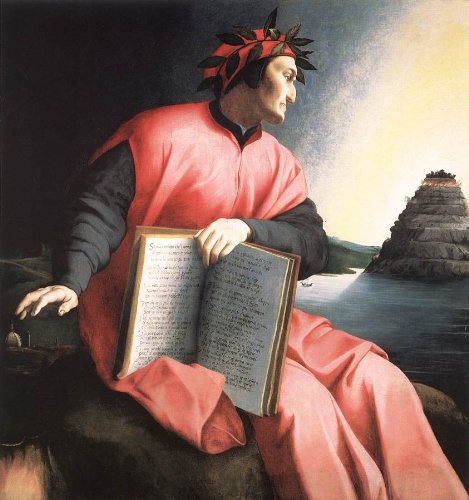
Paradise (Illustrated) (Divine Comedy Book 3)
📄 Viewing lite version
Full site ›
Price not listed
🛒 Buy New on Amazon 🇺🇸
Book Details
Author(s)Dante Alighieri
PublisherClassics Publishing
ISBN / ASINB00AIDZHBG
ISBN-13978B00AIDZHB2
Sales Rank219,039
MarketplaceUnited States 🇺🇸
Description ▲
Similar Products ▼
- Nature and Grace: Selections from the Summa Theologica of Thomas Aquinas
- The Consolation of Philosophy (Penguin Classics)
- Treatise on Law (Hackett Classics)
- Martin Luther's Basic Theological Writings
- A Shorter Summa
- Calvin: Institutes of the Christian Religion (The Library of Christian Classics)
- Anselm of Canterbury: The Major Works (Oxford World's Classics)
- El Lazarillo de Tormes (Anotado) (Spanish Edition)
- The Essays (Penguin Classics)
- The Song of Roland