Do you get angry easily?
Do you know someone who ‘flies off the handle’ for no reason?
Once limited to veterans or those suffering from a single traumatic event, PTSD (Post Traumatic Stress Disorder) has unfortunately become more commonplace.
Complex-Post Traumatic Stress Disorder (C-PTSD) is being diagnosed more often than in prior years.
The diagnosis of post-traumatic stress disorder (PTSD) accurately describes the symptoms that result when a person experiences a short-lived trauma. For example, car accidents, natural disasters, and rape are considered traumatic events of time-limited duration.
The reason complex PTSD is separated from PTSD is that doctors and researchers have found that the current PTSD diagnosis often does not capture the severe psychological harm that occurs with such prolonged, repeated trauma. For example, ordinary, healthy people who experience chronic (long-term) trauma can experience changes in their self-concept and the way they adapt to stressful events.
Common Symptoms include
• Include persistent sadness, suicidal thoughts, explosive anger, or inhibited anger.
• Forgetting traumatic events, reliving traumatic events, or having episodes in which one feels detached from one's mental processes or body (dissociation).
• Include helplessness, shame, guilt, stigma, and a sense of being completely different from other human beings.
• Isolation, distrust, or a repeated search for a rescuer.
• Loss of sustaining faith or a sense of hopelessness and despair.
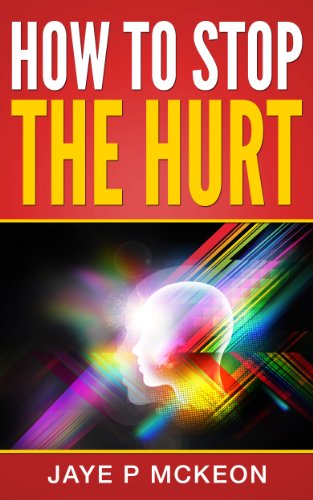
How To Stop The Hurt takes you through an overview of C-PTSD and helps you identify some potential behaviors that might point to C-PTSD.
If you or a loved one are suspected of suffering from C-PTSD or PTSD, this book could help you identify getting the help you need for a successful diagnosis and treatment.
Read Jaye's new book, "How to Heal the Hurt: Use Medical Marijuana to treat PTSD" now available on Kindle.