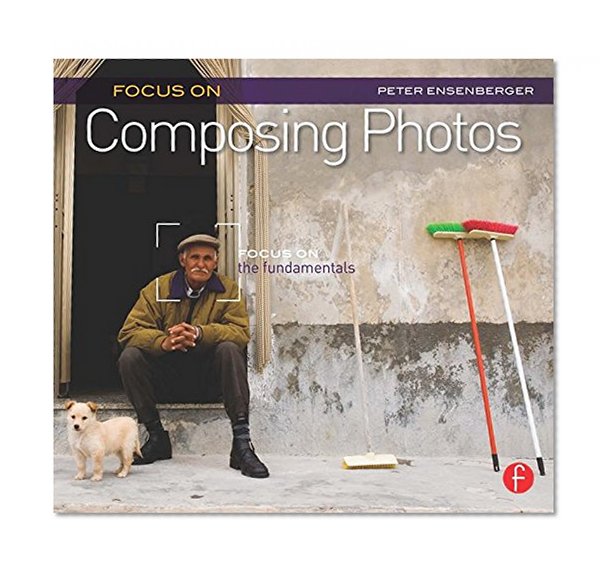


Focus On Composing Photos: Focus on the Fundamentals (Focus On Series) (The Focus On Series)
No reviews yet.
Take a close look at the seven images above. See if you can find the common thread unifying these images. You may not be able to discern it right away.
Give up?
All were shot with my cell phone camera! As digital cameras go, the smart phone camera is about as rudimentary as they come. Getting halfway creative with such a simple tool can be challenging, requiring a lot more thought and experimentation by the photographer to get the most out of it. But it’s possible to create solid images with any camera if you learn to employ good techniques.
So now imagine how using even the most basic of point-and-shoot digital cameras gives photographers much more control over exposure options than my cell phone. And, while high-end DSLRs offer us the most technological sophistication, all those expensive bells and whistles are no more than newer tools at our disposal for capturing that vision. Expensive photo gear makes photography easier, but not necessarily better. Succinctly stated, cameras don’t make good photographs; photographers make good photographs.
In fact, you already possess the most important piece of photo equipment--it’s between your ears. Studies estimate that 80 percent of the human brain is wired to process visual data. By honing your visual-awareness skills, you can train yourself to recognize the potential in every photographic situation. Armed with just a few basic techniques and an understanding of how these techniques impact composition, anyone can begin to make better photographs, no matter what image-making tool is in their hands.
As your compositional knowledge and skill expands, of course, you’ll be ready for a camera that offers you more options, making it easier to capture your vision. Your equipment’s sophistication level should increase right along with your improved technique.
It makes sense to start with a fairly basic model offering intuitive operation and simple controls with user-friendly menu functions. Advanced equipment with complicated features can become an impediment to the image-making process. The idea is to free your mind of technical concerns so you can concentrate on the artistic aspects of the photographic process. The easier the thought process for your camera’s operation, the more likely you are to be successful at it. And the more success you have, the more you’ll enjoy your photographic experiences.
Amazon Exclusive: A Letter from Peter Ensenberger, Author of Focus On Composing Photos: "Five Quick Hits: What I've Learned About Photography Composition"The Importance of Light Awareness
In my workshops, I preach the importance of light awareness. It’s something all photographers must learn before they begin to see improvement in their images. The importance of working in the best possible light is what costs photographers so much sleep. It’s a driving force. We get up early and stay out late in pursuit of the light.
Light is an integral part of composition. Highlights and shadows become important compositional elements when artfully incorporated. The interplay of light and subject is the definition of photography. A poorly lit subject can ruin even the best composition.
Using Visual Devices to Control Eye MovementThe elements of composition are all around us--lines, shadows, colors, patterns, textures and space. They coalesce in apparent disarray. It’s up to the photographer to make sense of it all by arranging these elements as artfully as possible so that the resulting photograph tells a story or informs the viewer.
From an artistic standpoint, the objective of good composition is to provide balance and lead the viewer’s eye. Placement of compositional elements should create energy and motion. Visual devices help keep the viewer’s eye on the intended path and encourage exploration of the entire photograph. At the end of the path, eyes come to rest on the subject--the composition’s visual payoff.
Connecting with the ViewerFor me, a successful photograph makes a connection on an emotional level. Maybe the subject resonates with me, or it reminds me of some past experience I’ve had. Maybe it takes me to a place I’ve never been. But that emotional connection holds me there, exploring every inch of the photograph, prolonging a pleasurable experience.
The great photographs that we recognize as masterpieces of the medium are the ones that touch us on a gut level. They make a statement or raise a question. They involve us in their narratives, held not only in the grasp of skillful composition, but also in the emotions that the photographer was feeling.
On SimplicityThe most difficult part of the composing process is creating a simple, stand-alone image that conveys a clear message. That message must be concise and easily understood; because chances are good the photographer won’t be there to help the viewer figure it out. A successful photograph needs no explanation.
Less Is MoreSometimes viewers’ interest is piqued when a composition encourages them to resolve at least part of the story. It gives observers the satisfaction of solving the mystery or providing their own punch line. Withholding pieces of information makes a photograph more interesting, allowing the viewers’ imaginations to fill in the blanks or solve a conundrum. When a photograph allows the viewers to be a part of the story, it nudges them into a deeper mental involvement with the image.
My philosophy of composition is summed up best in the words of photographer Joel Meyerowitz. He said, "You fill up the frame with feelings, energy, discovery and risk, and leave room enough for someone else to get in there."
Amazon Exclusive: Featured Advice from Peter Ensenberger, Author of Focus On Composing Photos