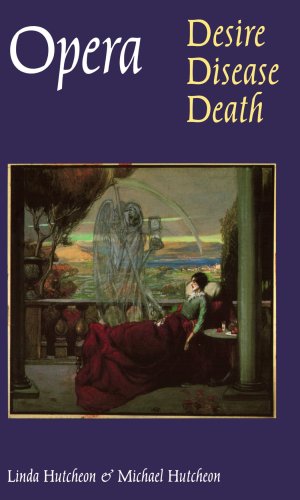


Opera: Desire, Disease, Death (Texts and Contexts)
Operatic diseases are largely those with overtones of moral, not just physical, infection. Tuberculosis was a 19th-century favorite, associated with feverish passion and the self-consuming flame of artistic creativity. The authors contrast tubercular heroines before and after the discovery of the illness's cause, which altered the perception of TB from a disease of temperament (La Traviata) to one of poverty and overcrowding (La Bohème). They also consider syphilis (The Rake's Progress, Lulu, and even Parsifal), cholera (Death in Venice), and another "pathology," smoking (Carmen). As the last example hints, the book's true theme is not disease, exactly. These conditions and habits--all linked in some way to emphatic sexuality--indicated a morally dubious life and marked a character for doom.
The authors' thesis encourages the reader to look behind the assumptions in these works. That is valuable, sometimes more than the arguments themselves, which can drift into repetitiveness and jargon (lots of references to "gendered coding" and "transgressiveness"). In an epilogue, the Hutcheons discuss plays--there are not yet any operas--dealing with AIDS. These works suggest a 21st-century model: affirmative, sometimes angry, refusing to exoticize or condemn their diseased heroes. --David Olivenbaum
