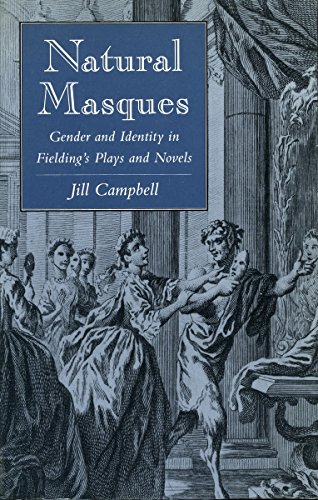


Natural Masques: Gender and Identity in Fielding's Plays and Novels
Price not available for Germany
You can still browse on Amazon. Try another country above.
Book Details
Author(s)
Jill Campbell
Publisher
Stanford University Press
ISBN / ASIN
0804723915
ISBN-13
9780804723916
Category
Literary Criticism
Marketplace
Germany 🇩🇪
Ratings & Reviews
No reviews yet — be the first!
No reviews yet.
Description
The author breaks with old critical commonplaces that contrast Fielding's "masculinity" with Samuel Richardson's "feminine" sensibilities. She argues that a preoccupation with the tenuousness of gendered identity appears throughout Fielding's writings, and that Fielding shared that preoccupation with his contemporaries.


