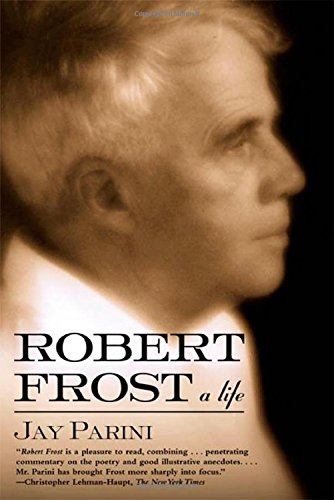


Robert Frost: A Life
No reviews yet.
The answer lies with Lawrance Thompson. Thompson had been one of Frost's most earnest disciples, and so for years the poet, ever eager to shape his own image, allowed him a Boswellian intimacy. Unfortunately, Thompson came to despise his former mentor, and his exhaustively documented volumes portrayed Frost as some kind of solipsistic monster, in marked contrast to the awe with which he had been previously described. Parini, a past biographer of John Steinbeck, in a further wave of perspective, seeks a corrective to so much bile. His writing is intelligent yet breathlessly generous and he is at his best when considering the poems themselves. He rightly ascribes to him the innovation of the colloquial voice in serious verse, a legacy which appears immense today when so much contemporary poetry consists of little else. His mastery lay in the freedom he found within conformity and the dark corners of it he discovered by probing, which contribute to a melancholic spirituality beyond the rusticity for which he is popularly celebrated. While Thompson's egg was cracked and dry, Parini prefers a softer boil, and his elegantly reverential tone is imbued with a perception that reminds us how great a poet Frost remains. The clergyman who advised him at an early age that his verse was "too close to speech", and thus gave him his voice, deserves eternal gratitude. --David Vincent

