We use cookies to run the site and, with your permission, to measure how it is used. You can accept all of them or deny the ones that are not needed. Read the cookie policy.
⭐ Ratings & Reviews
No reviews yet — be the first!
No reviews yet.
📖 Description
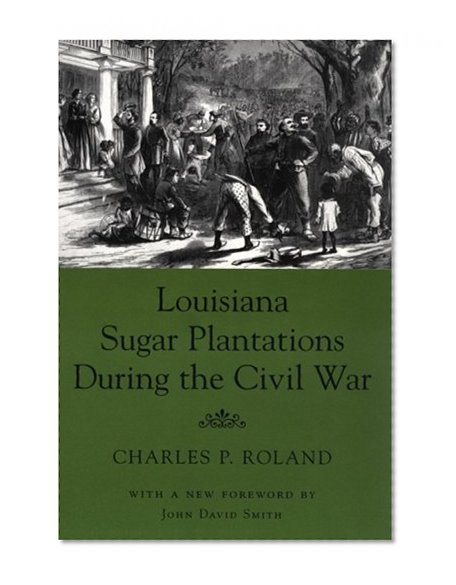
This early work by esteemed historian Charles P. Roland draws from an abundance of primary sources to describe how the Civil War brought south Louisiana's sugarcane industry to the brink of extinction, and disaster to the lives of civilians both black and white. A gifted raconteur, Roland sets the scene where the Louisiana cane country formed "a favored and colorful part of the Old South," and then unfolds the series of events that changed it forever: secession, blockade, invasion, occupation, emancipation, and defeat. Though sugarcane survived, production did not match prewar levels for twenty-five years. Roland's approach is both illustrative of an earlier era and remarkably seminal to current emancipation studies. He displays sympathy for plantation owners' losses, but he considers as well the sufferings of women, slaves, and freedmen, yielding a rich study of the social, cultural, economic, and agricultural facets of Louisiana's sugar plantations during the Civil War.