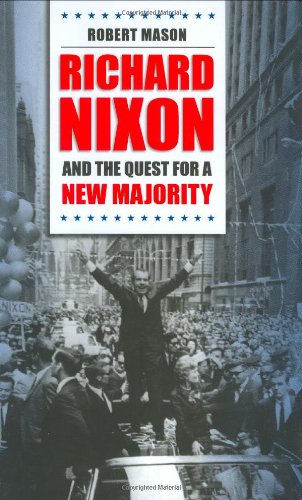


Richard Nixon and the Quest for a New Majority
Book Details
Author(s)
Robert Mason
Publisher
The University of North Carolina Press
ISBN / ASIN
0807829056
ISBN-13
9780807829059
Availability
Usually ships in 24 hours
Sales Rank
#2,104,146
Marketplace
United States 🇺🇸
Description
In recent years historians have paid substantial attention to the origins of modern political conservatism and the record of the Nixon administration in building a Republican majority in the late twentieth century. In Richard Nixon and the Quest for a New Majority, Robert Mason analyzes Nixon's response to the developing conservative climate and challenges revisionist claims about the activist nature of the Nixon administration. Nixon was an activist in intent, Mason contends, but not in deed.
Nixon's "silent majority" speech of 1969 not only undermined the growth of the antiwar movement, Mason shows, it also identified a constituency for Nixon to cultivate in order to secure reelection. However, the implementation of his new-majority project was hindered by the resort to dirty tricks against political opponents and the ineffectual pursuit of a policy agenda. Although some Nixon initiatives were enacted, says Mason, they were not substantial enough to rival the Democrats' bread-and-butter issues. While Nixon built Republican strength at the presidential level, Mason argues that he did not succeed in mobilizing popular support for broad-based political conservatism.


![Chickenhawk [Audiobook] [Cd] [Unabridged]](https://www.ebooknetworking.net/books/B00/0JT/medB000JTRUJ6.jpg)