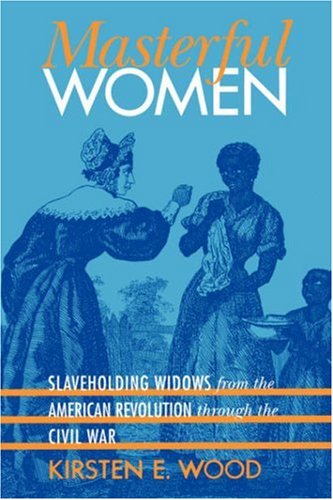


Masterful Women: Slaveholding Widows from the American Revolution through the Civil War (Gender and American Culture)
Book Details
Description
Because their husbands' wills and dower law often gave women authority over entire households, widowhood expanded both their domestic mandate and their public profile. They wielded direct power not only over slaves and children but also over white men--particularly sons, overseers, and debtors. After the Revolution, southern white men frequently regarded powerful widows as direct threats to their manhood and thus to the social order. By the antebellum decades, however, these women found support among male slaveholders who resisted the popular claim that all white men were by nature equal, regardless of wealth. Slaveholding widows enjoyed material, legal, and cultural resources to which most other southerners could only aspire. The ways in which they did--and did not--translate those resources into social, political, and economic power shed new light on the evolution of slaveholding society.
