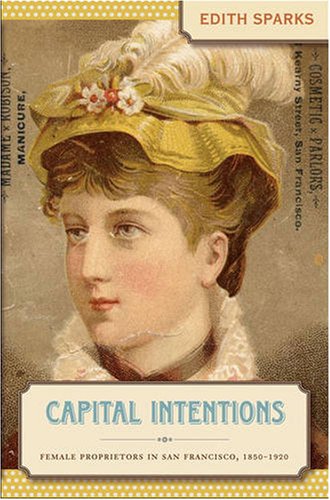


Capital Intentions: Female Proprietors in San Francisco, 1850-1920 (The Luther H. Hodges Jr. and Luther H. Hodges Sr. Series on Business, Society, and the State)
Using a unique sample of bankruptcy records, credit reports, advertisements, city directories, census reports, and other sources, Sparks argues that women were competitive, economic actors, strategizing how best to capitalize on their skills in the marketplace. Their boardinghouses, restaurants, saloons, beauty shops, laundries, and clothing stores dotted the city's landscape. By the early twentieth century, however, technological advances, new preferences for name-brand goods, and competition from large-scale retailers constricted opportunities for women entrepreneurs at the same time that new opportunities for women with families drew them into other occupations. Sparks's analysis demonstrates that these businesswomen were intimately tied to the fortunes of the city over its first seventy years.
