Uruguay is not conventionally thought of as part of the African diaspora, yet during the period of Spanish colonial rule, thousands of enslaved Africans arrived in the country. Afro-Uruguayans played important roles in Uruguay's national life, creating the second-largest black press in Latin America, a racially defined political party, and numerous social and civic organizations.
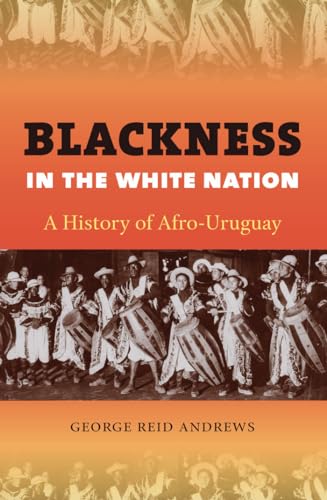
Afro-Uruguayans were also central participants in the creation of Uruguayan popular culture and the country's principal musical forms, tango and candombe. Candombe, a style of African-inflected music, is one of the defining features of the nation's culture, embraced equally by white and black citizens.
In Blackness in the White Nation, George Reid Andrews offers a comprehensive history of Afro-Uruguayans from the colonial period to the present. Showing how social and political mobilization is intertwined with candombe, he traces the development of Afro-Uruguayan racial discourse and argues that candombe's evolution as a central part of the nation's culture has not fundamentally helped the cause of racial equality. Incorporating lively descriptions of his own experiences as a member of a candombe drumming and performance group, Andrews consistently connects the struggles of Afro-Uruguayans to the broader issues of race, culture, gender, and politics throughout Latin America and the African diaspora generally.