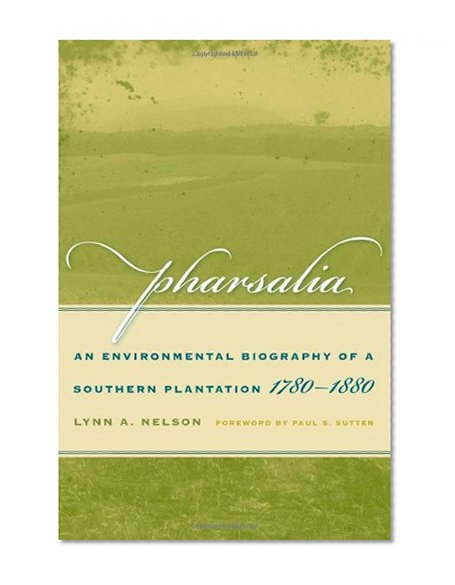


Pharsalia: An Environmental Biography of a Southern Plantation, 1780-1880 (Environmental History and the American South)
Book Details
Description
Nelson follows the fortunes of Pharsalia's owners, telling how Virginia's traditional extensive agriculture contributed to the soil's erosion and exhaustion. Subsequent attempts to balance independence and sustainability through a complex system of crop rotation and resource recycling ultimately gave way to an intensive, slave-based form of agricultural capitalism.
Pharsalia could not support the Massies' aristocratic ambitions, and it was eventually parceled up and sold off by family members. The farm's story embodies several fundamentals of modern U.S. environmental thought. Southerners' nineteenth-century quest for financial and ecological independence provided the background for conservationists' attempts to save family farming. At the same time, farmers' failure to achieve independence while maximizing profits and crop yields drove them to seek government aid and regulation. These became some of the hallmarks of conservation efforts in the New Deal and beyond.
More Books by Lynn A. Nelson

